
Two of the world's top cellular IoT module manufacturers, Quectel and Fibocom, have been hit with a patent lawsuit in the United States. The suit was filed by TurboCode LLC, a non-practicing entity (NPE), in the U.S. District Court for the Eastern District of Texas. The complaint alleges that multiple 4G/LTE modules from both companies infringe upon TurboCode's core communications patent, U.S. Patent No. 6,813,742, titled "3G high-speed turbo code decoder with pipeline SISO log-map decoder architecture."
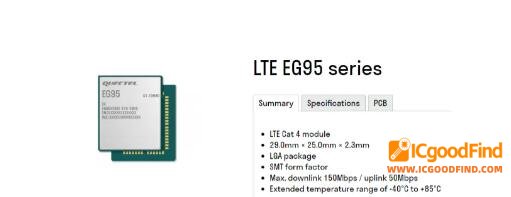
The lawsuit targets several key product lines. For Quectel, modules such as the LTE EG95, EM05, and EG91NA series are named. For Fibocom, affected products include the NL668, L610, and L716-EY series, among others. The plaintiff contends that because these modules comply with the 3GPP standards (Releases 8-13) for 4G/LTE communication, they necessarily utilize the patented turbo code decoding technology to ensure reliable data transmission over noisy channels—a method TurboCode claims to own.
This legal action is significant given the defendants' market positions. According to Counterpoint Research, Quectel held a 37% global market share in cellular IoT module shipments in Q3 2025, with Fibocom holding 7.5%. For Quectel, this marks its first U.S. patent lawsuit of the year. For TurboCode LLC, this is its 14th and 15th lawsuit of the year, following similar actions against other Chinese tech firms like Coolpad and InHand Networks, as well as Japanese and American companies including Renesas and National Instruments.

ICgoodFind's Insight
This lawsuit against two market leaders underscores the persistent and strategic patent litigation risks facing Chinese tech companies in global markets. It highlights how compliance with essential industry standards like 3GPP can expose firms to infringement claims from NPEs, making robust IP due diligence a critical component of international business strategy.
